Introduction
Tiger serpents, known scientifically as Notechis scutatus, are amongst Australia's a lot of well-known poisonous snakes. Their track record is not completely unfounded; they are accountable for a substantial number of snakebite cases in Australia. Comprehending the signs and symptoms and look of a tiger serpent bite is crucial for timely treatment and efficient emergency treatment. This short article delves into the different elements of tiger snake bites, including their physical characteristics, signs and symptoms, and necessary emergency treatment procedures.
What Does a Tiger Snake Bite Resemble? Acknowledging Symptoms Early
A tiger serpent bite can be disconcerting due to its possible intensity. When bitten, the target might not promptly understand they've been struck, particularly if they remain in an area where tiger snakes are prevalent. The first indications consist of:
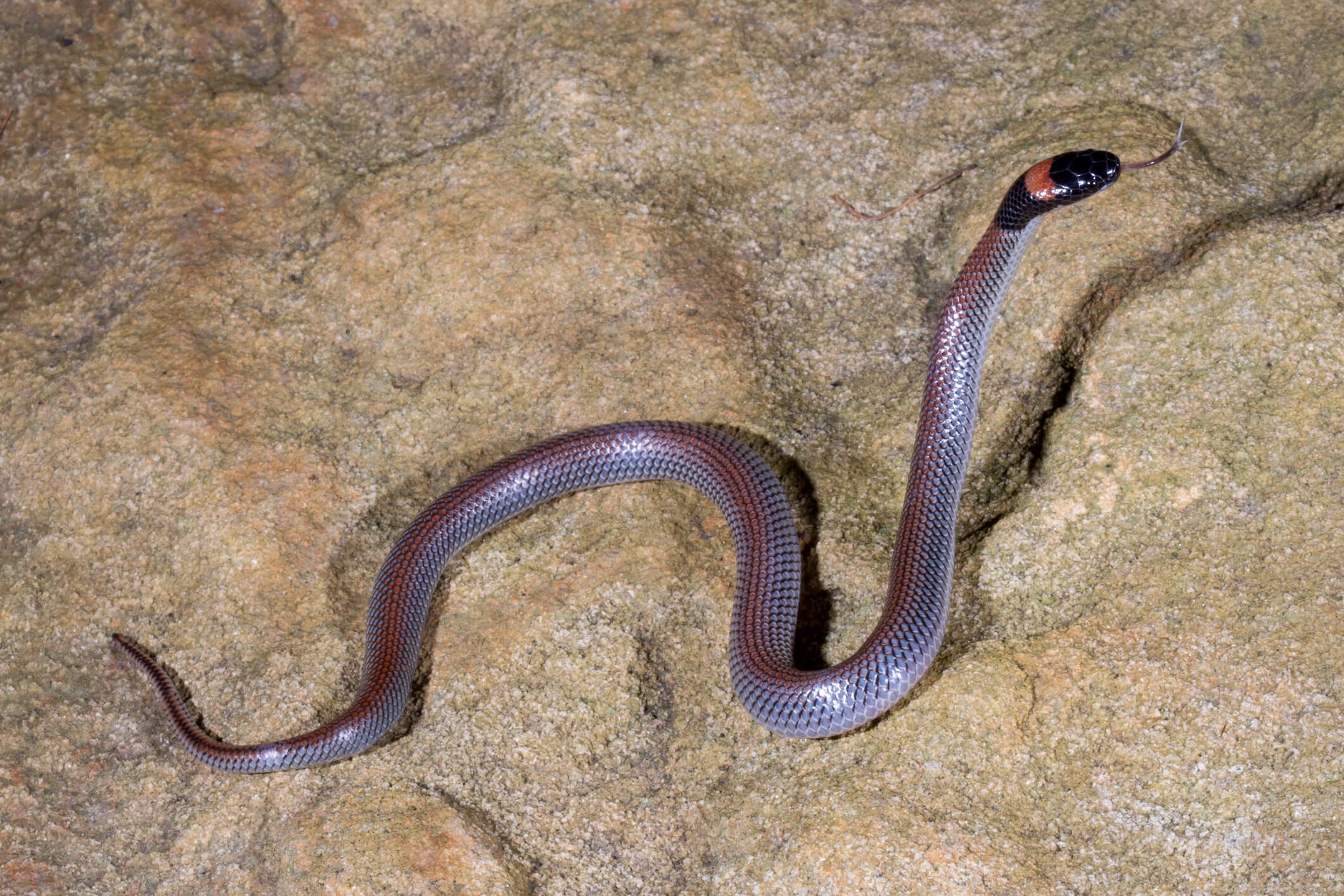
- Puncture Wounds: The bite will normally cause two distinctive slit marks from the serpent's fangs. Swelling: The surrounding location may swell substantially within minutes. Discoloration: Discoloration or staining can show up around the bite site.
Symptoms to Look for:
- Severe pain at the website of the bite Nausea and vomiting Difficulty breathing Sweating or too much salivation Muscle weak point or paralysis
Recognizing these signs and symptoms early can be life-saving. If you presume a tiger serpent has actually attacked a person, it's vital to seek medical aid immediately.
Understanding Tiger Snakes
Habitat and Distribution of Tiger Snakes
Tiger serpents are located mostly in seaside regions throughout southern Australia, including Tasmania. They flourish in different habitats, such as swamps, wetlands, and coastal areas.
Key Attributes of Tiger Snake Habitat:
- Prefers wetland environments with plentiful cover. Often seen basking on cozy rocks or verdant banks. Can be located in metropolitan locations close to water sources.
Behavioral Qualities of Tiger Snakes
Tiger snakes display both hostile and defensive actions. They are recognized to stand their ground when intimidated yet may also pull back swiftly when provided space.
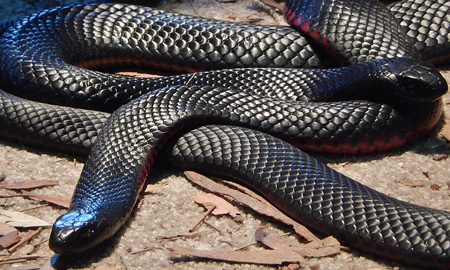
Common Habits:
- Active during both day and night (nocturnal tendencies). Excellent swimmers; frequently located near water bodies.
Are Tiger Snakes Venomous?
Yes, tiger serpents are extremely venomous. Their poison can trigger serious signs that might lead to death if neglected. The venom consists of neurotoxins that affect the nervous system and coagulants that interfere with blood clotting.
What Makes Their Poison Dangerous?
- Neurotoxic effects can cause paralysis. Hemotoxic components can cause significant interior bleeding.
Symptoms of a Tiger Serpent Bite
Immediate Impacts Post-Bite
Upon being bitten by a tiger snake, targets might experience immediate signs that necessitate immediate clinical focus:
Intense regional pain at the website of the bite. Rapid swelling around the slit wounds. Signs of systemic involvement like migraines or dizziness.Long-term Results if Untreated
If left without treatment, victims may deal with:
- Permanent nerve damage Psychological injury related to the incident Possible arm or leg amputation in serious cases
First Help for Serpent Bites: A Critical Guide
What Should You Do Instantly After a Bite?
Stay Calmness: Panic can exacerbate signs and symptoms; try to keep still and calm. Call Emergency Services: Seek prompt clinical attention-- time is critical. Keep Influenced Limb Debilitated: Use a splint or plaster to restrict movement. Remove Tight Clothes or Jewelry: Swelling might happen swiftly; remove anything constricting.First Aid Steps Clarified Further
Keep the individual as still as feasible-- motion spreads venom faster via the bloodstream. Position them with the impacted arm or leg lower than heart level to minimize swelling. Apply stress bandages without cutting off blood circulation-- tight sufficient to slow swelling but loose enough for blood flow.First Aid Snake Bite Kit Essentials
Creating an efficient first aid package especially for serpent bites must include:
Sterile gauze pads Elastic plasters for immobilization Antiseptic wipes A pair of scissors to cut clothes if needed Emergency get in touch with numbers printed clearlySnake Bite First Aid Package Checklist:
|Item|Function|| -----------------------|------------------------------------------|| Clean and sterile Gauze|To clean and cover wounds|| Elastic Bandage|To debilitate affected area|| Scissors|To reduce garments or bandages|| Disinfectant Wipes|For cleansing around the bite|| Emergency situation Numbers|Quick access for clinical help|
Recognizing Signs Early: A Lifesaving Skill
Identifying symptoms early is critical in making sure efficient therapy post-bite:
Monitor essential indicators: pulse rate and breathing patterns need to be observed frequently until help arrives. Be aware of any adjustments in consciousness degrees-- confusion may indicate getting worse conditions.Asking Questions: What Ought To One Understand About Treatment?
Q: Is there a remedy for tiger snake bites?
A: Yes! Antivenom is readily available yet must be provided by medical care professionals following exposure assessment.
FAQs Regarding Tiger Serpent Bites
1. What does a tiger snake attack look like?
A tiger serpent bite usually provides with 2 puncture injuries come with by instant discomfort and swelling at the site.
2. Exactly how harmful is a tiger snake?
Tiger serpents possess powerful venom that can result in severe health and wellness complications otherwise dealt with promptly.

3. What should I do if attacked by a tiger snake?
Seek emergency medical focus quickly while keeping one's cool and debilitating the influenced limb.
4. Is antivenom always necessary?
Antivenom is important for serious envenomation instances; nonetheless, its usage relies on aspects such as symptom intensity and time expired because envenomation.
5. Can I treat a snake bite at home?
Home therapy is not advisable; specialist medical intervention is essential after any thought snakebite incident.
6. Are all tiger snakes aggressive?
While they can be protective when endangered, several will pull back if provided area-- hostility varies based on individual circumstances.
Conclusion
Understanding what does a tiger serpent attack look like is critical for any person living or traveling in areas where these creatures occupy their native environments in Australia, particularly considering their hostile nature when provoked and their powerful venomous capabilities that pose serious health and wellness risks upon envenomation-- timely acknowledgment of signs incorporated with appropriate first aid methods can indeed conserve lives!
In recap, understanding regarding recognizing attacks early along with swift Pre-hospital Care action can make all the distinction in mitigating serious results connected with these experiences with Aggressive Australian snakes one of Australia's the majority of been afraid reptiles-- the tiger serpent! Always focus on safety by staying clear Click for source of areas where they may stay throughout exterior tasks such as walking or camping!